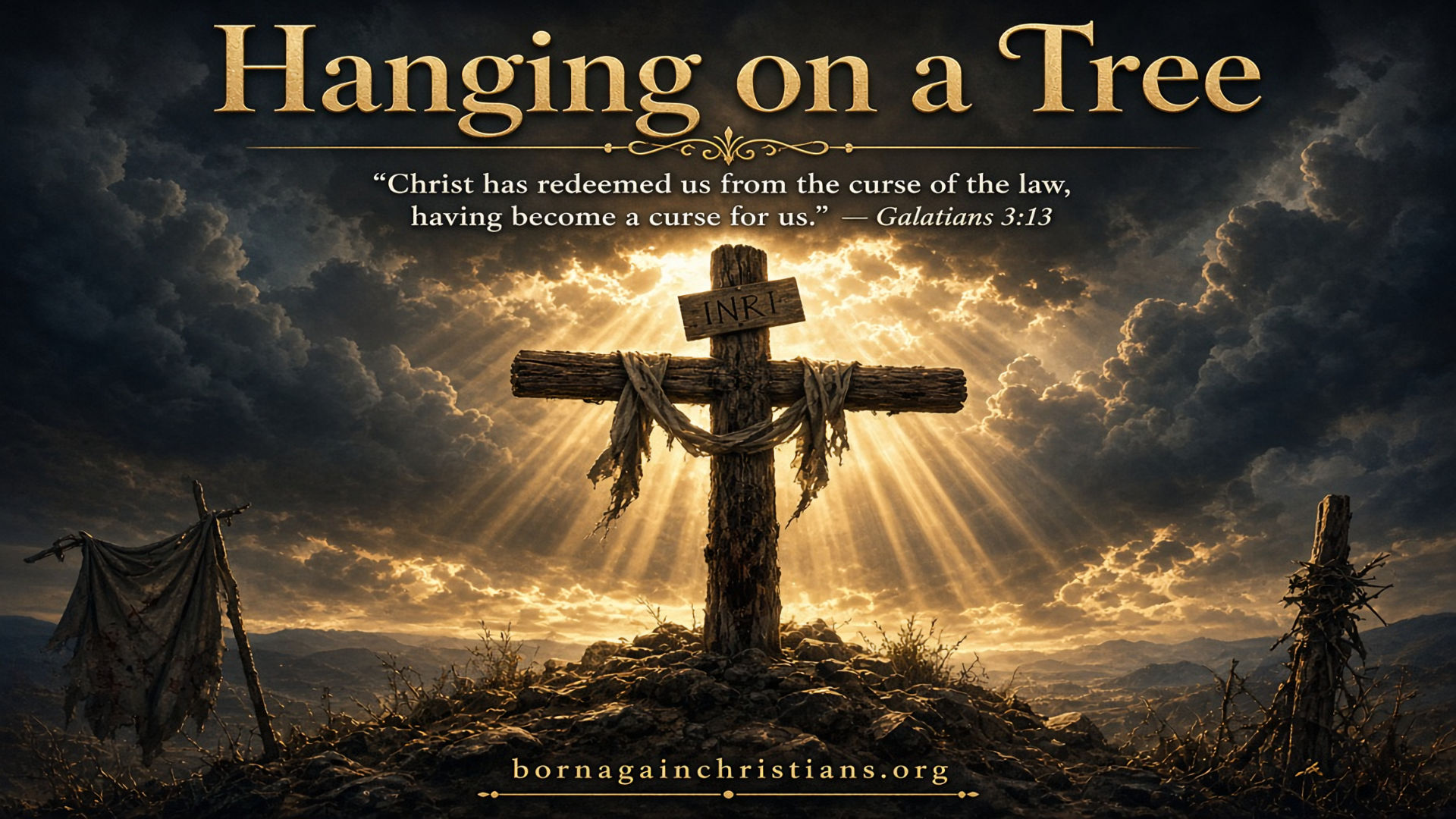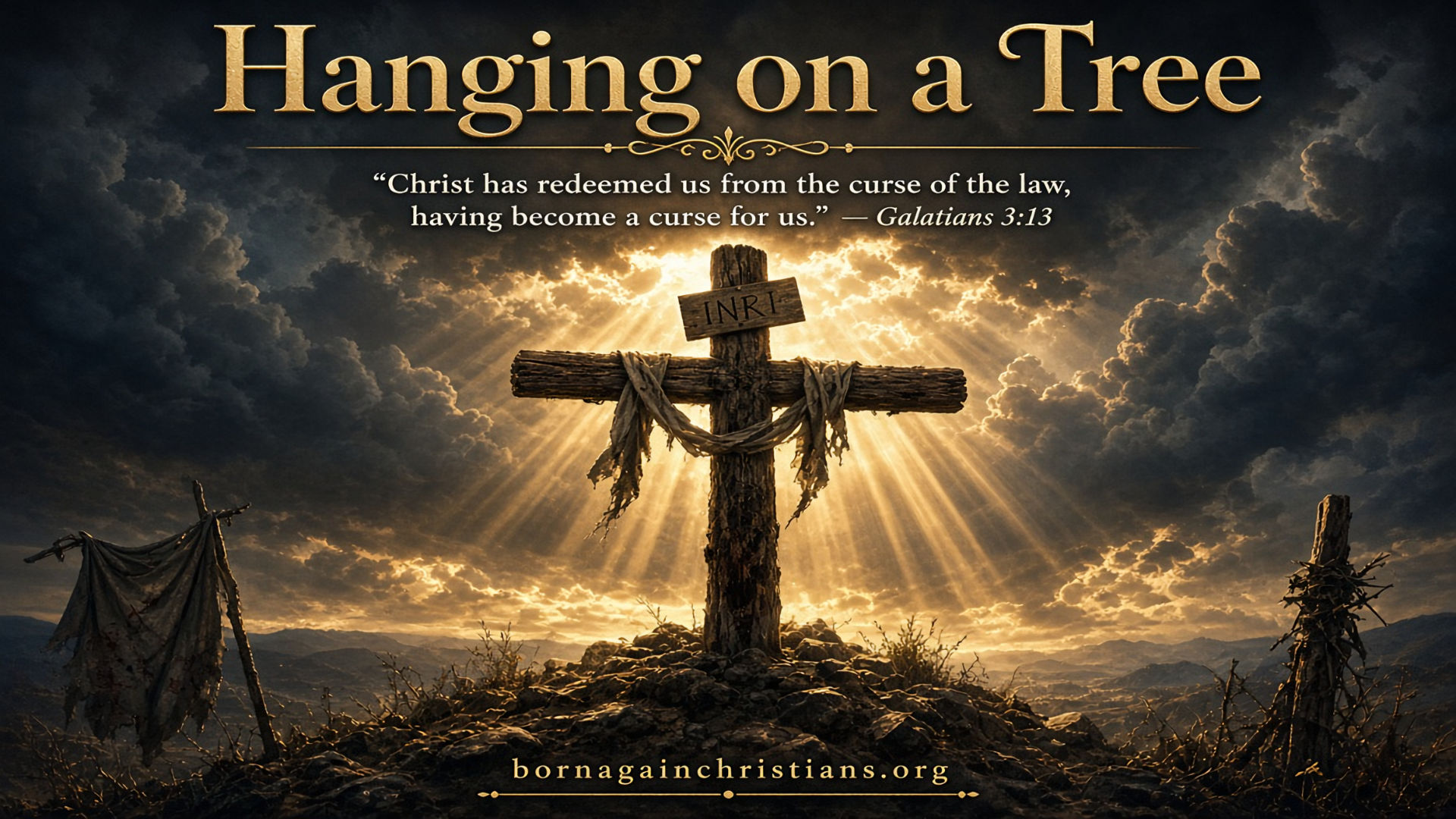
Folks, just the other day I was reading Acts 5:30. The verse says the leaders murdered Jesus “by hanging on a tree.” I thought that Jesus died on a cross. And noticed something else that is true: Luke, who wrote both the Gospel and the book of Acts, only uses the word “tree” in Acts. He does not use it that way in the Gospel. That is not a problem. It is a beautiful little window into how the early church preached.
- Details
Read more: Hanging on a Tree - A Word Study of Xylon in Acts 5:30
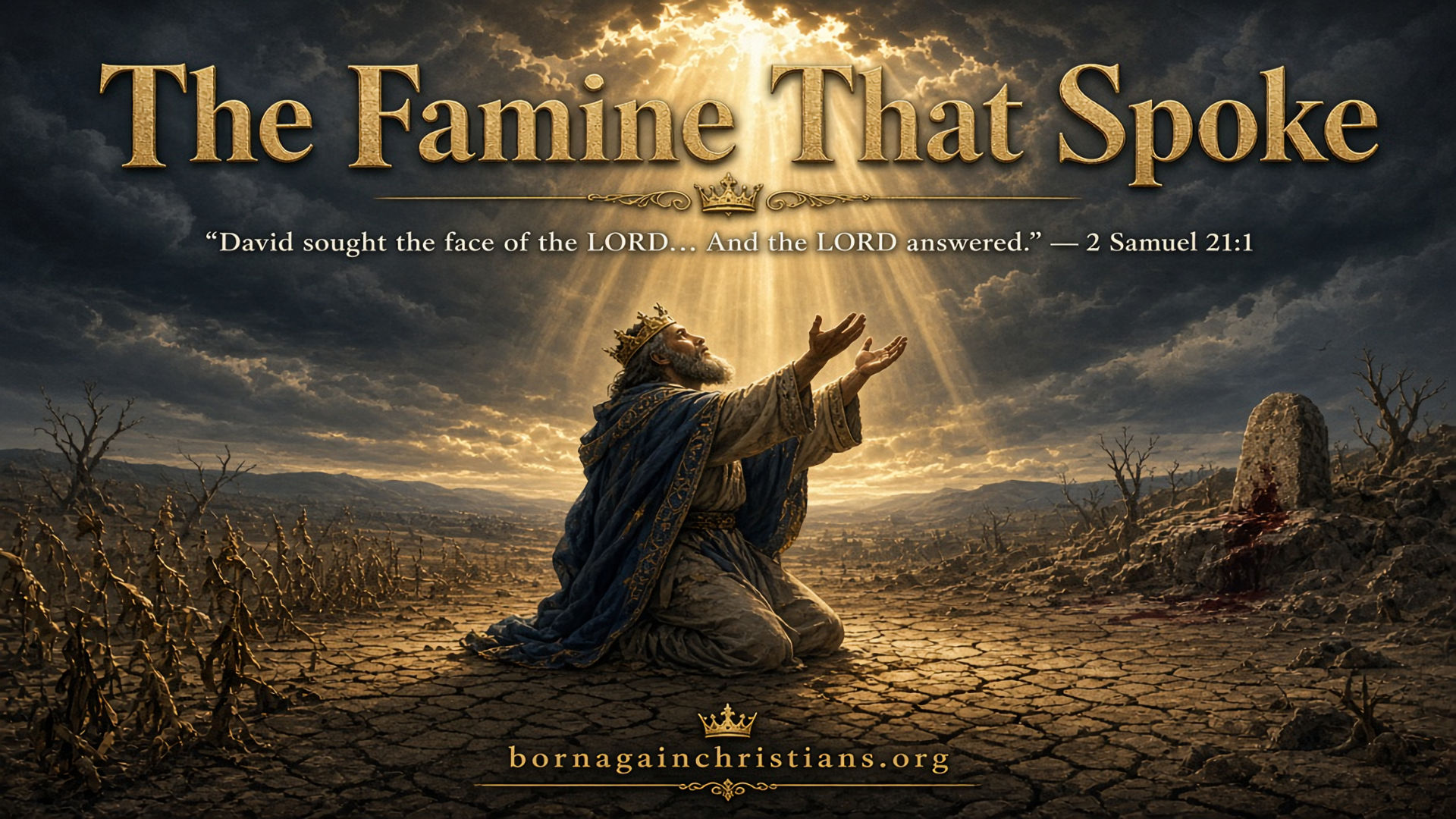
Well, let’s look at this passage in 2 Samuel 21. There was a famine in the days of David for three years, year after year. The land itself was hungry. The Hebrew word for famine is ra’ab. It’s the same word used when people are desperate for food. Year after year the crops failed, and the people felt it. After the third year, David did something wise. The text says he inquired of the Lord. In Hebrew it is stronger than a quick question: way-baqqesh David et-pene Yahweh — David sought the face of the LORD. He was not just asking for information. He was seeking God’s presence, His favour, His mind on the matter.
- Details
Read more: The Famine That Spoke - When God Remembers a Covenant
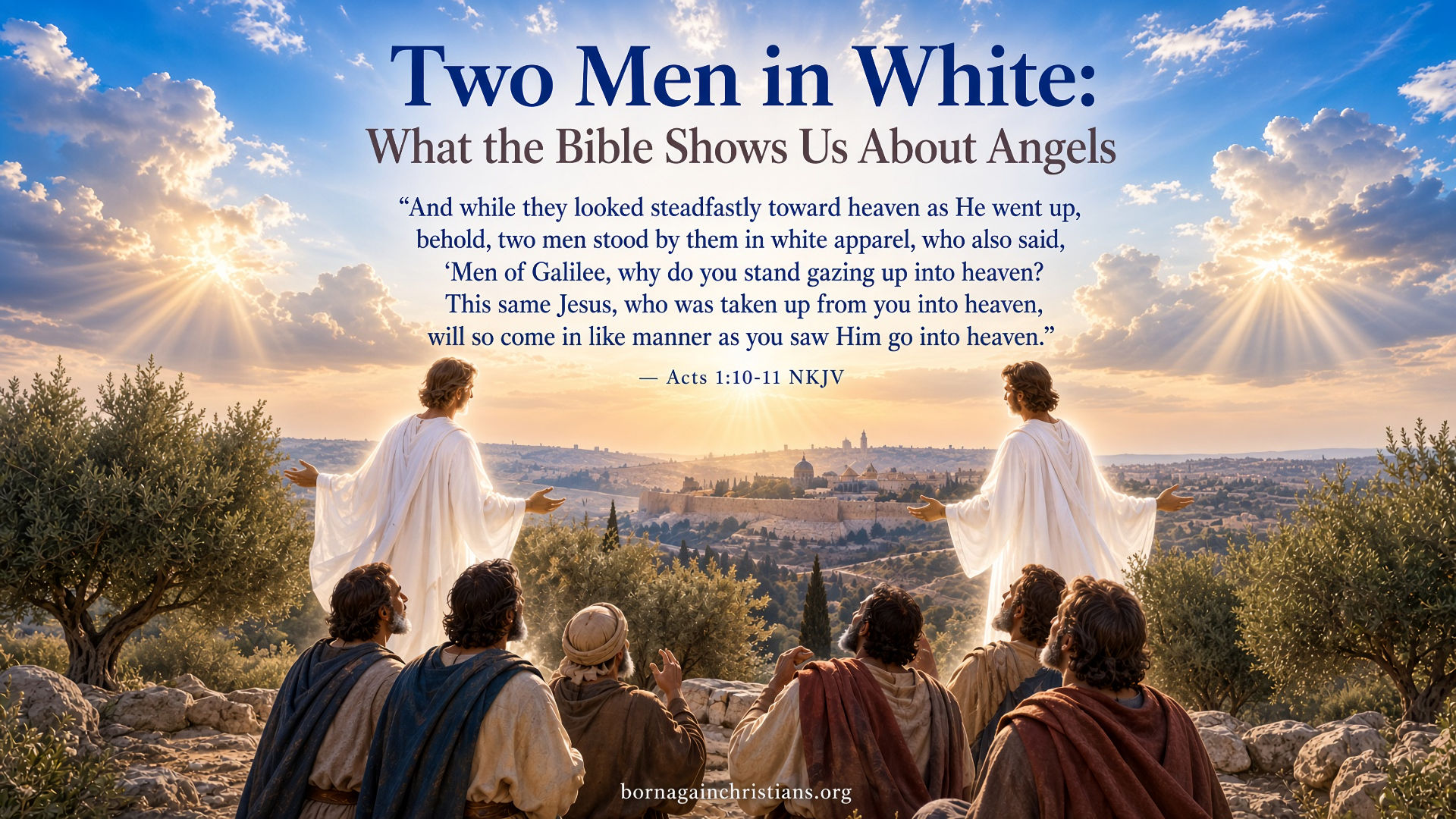
Folks, something grabbed me as I was reading through “The Acts of the Apostles” and want to share it with you. When the disciples stood on the Mount of Olives and watched Jesus go up into the cloud, the Scripture records a quiet but important moment. “And while they looked steadfastly toward heaven as He went up, behold, two men stood by them in white apparel, who also said, ‘Men of Galilee, why do you stand gazing up into heaven? This same Jesus, who was taken up from you into heaven, will so come in like manner as you saw Him go into heaven’” (Acts 1:10-11, NKJV).
- Details
Read more: Two Men in White - What the Bible Shows Us About Angels

God’s Promise, Our Inheritance, and the Coming Kingdom
Well, folks as we’ve been going through Deuteronomy, that phrase keeps coming up—“a land flowing with milk and honey.” I love this picture. It’s one of the most repeated descriptions God gives of the land He promised to His people. It’s simple, down-to-earth language so they could understand what kind of place the Lord was bringing them into. And it still speaks to us today.
- Details
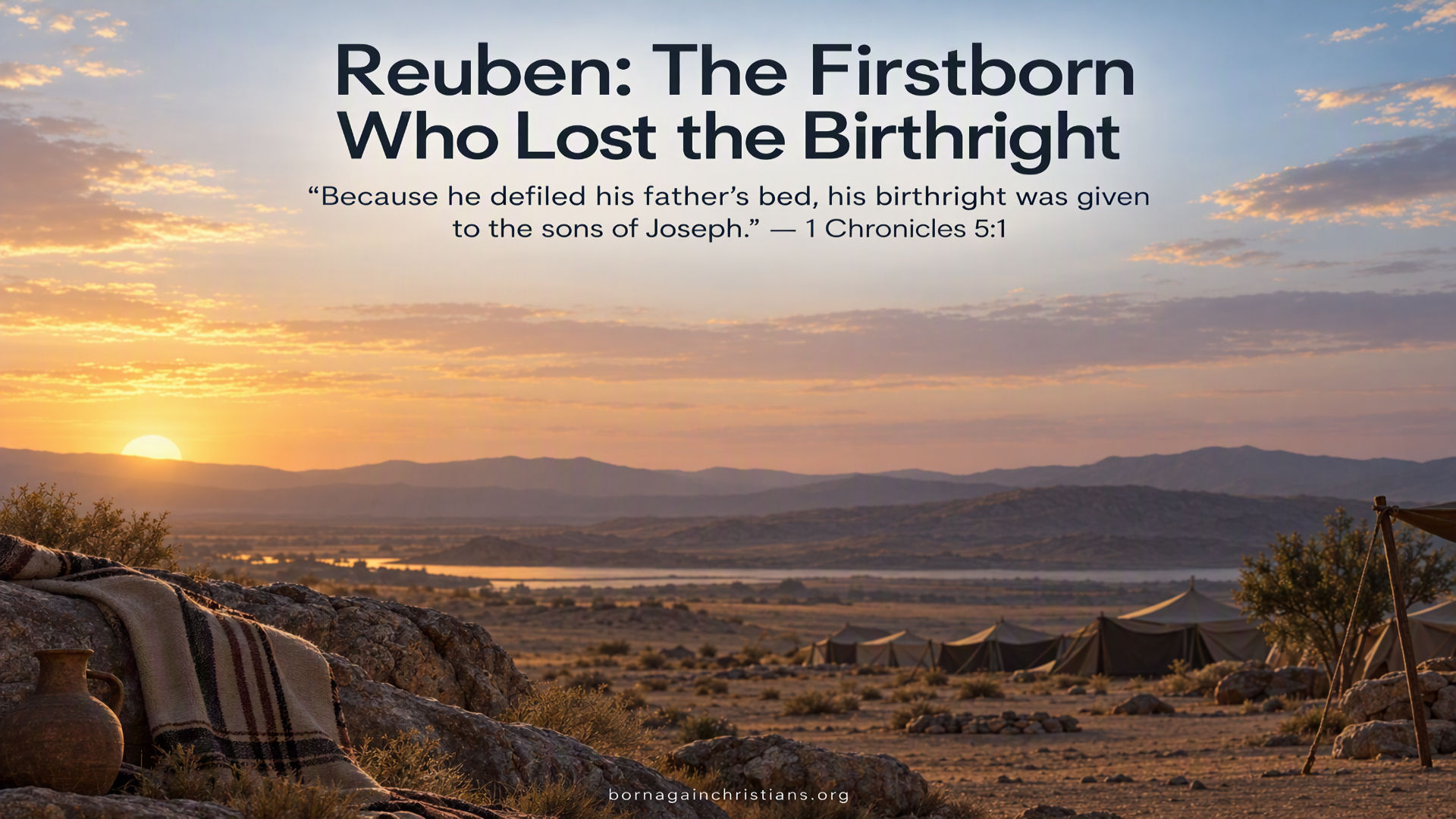
A Character Study from 1 Chronicles 5 and Genesis
Well, as we come to 1 Chronicles 5, the genealogies of Israel turn to the tribes that settled east of the Jordan River: Reuben, Gad, and the half-tribe of Manasseh. Before the lists of names begin, the chapter pauses to explain why Reuben, though he was the firstborn, did not keep the rights that normally belonged to him.
- Details
More Articles …
Page 1 of 6