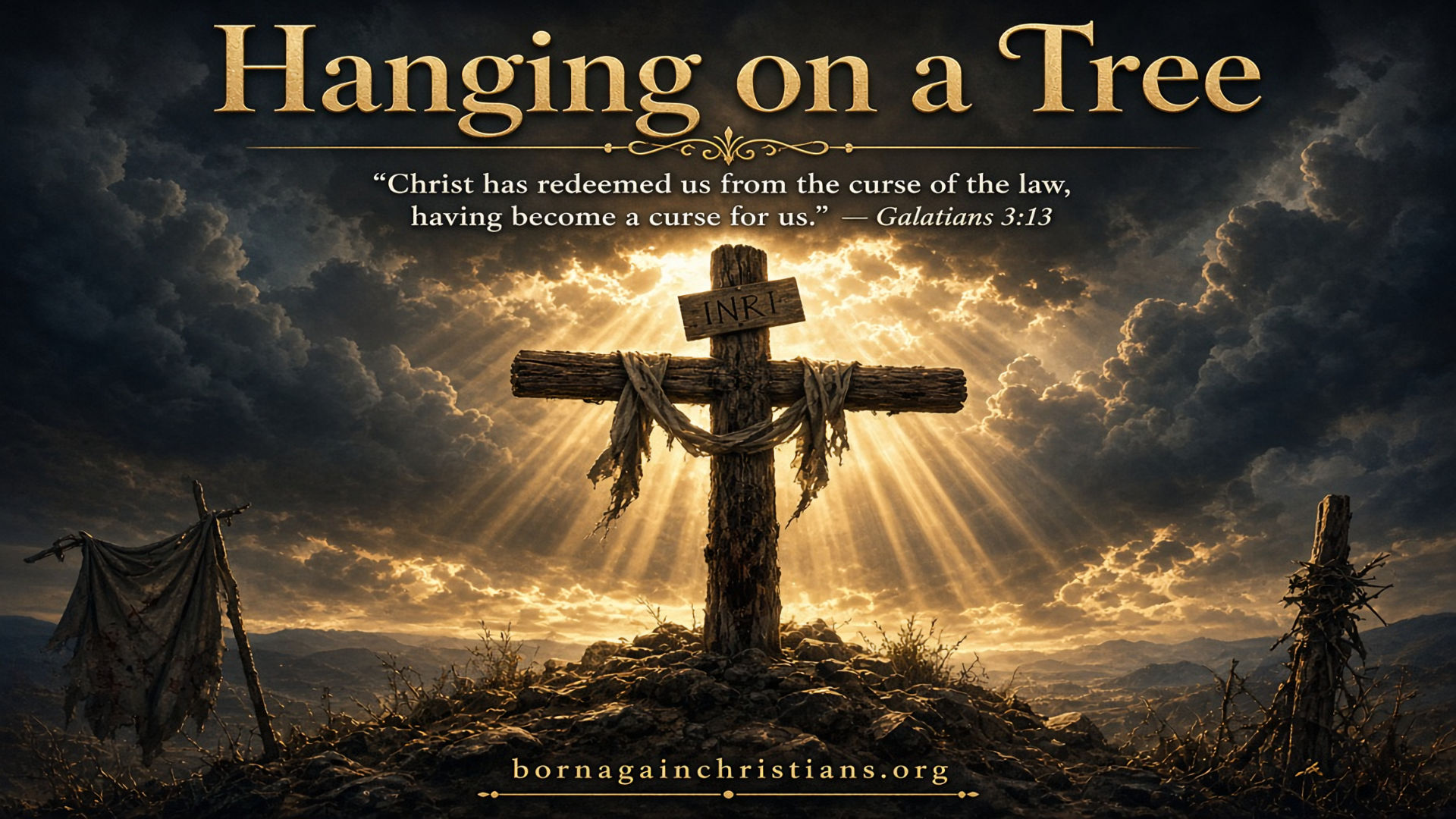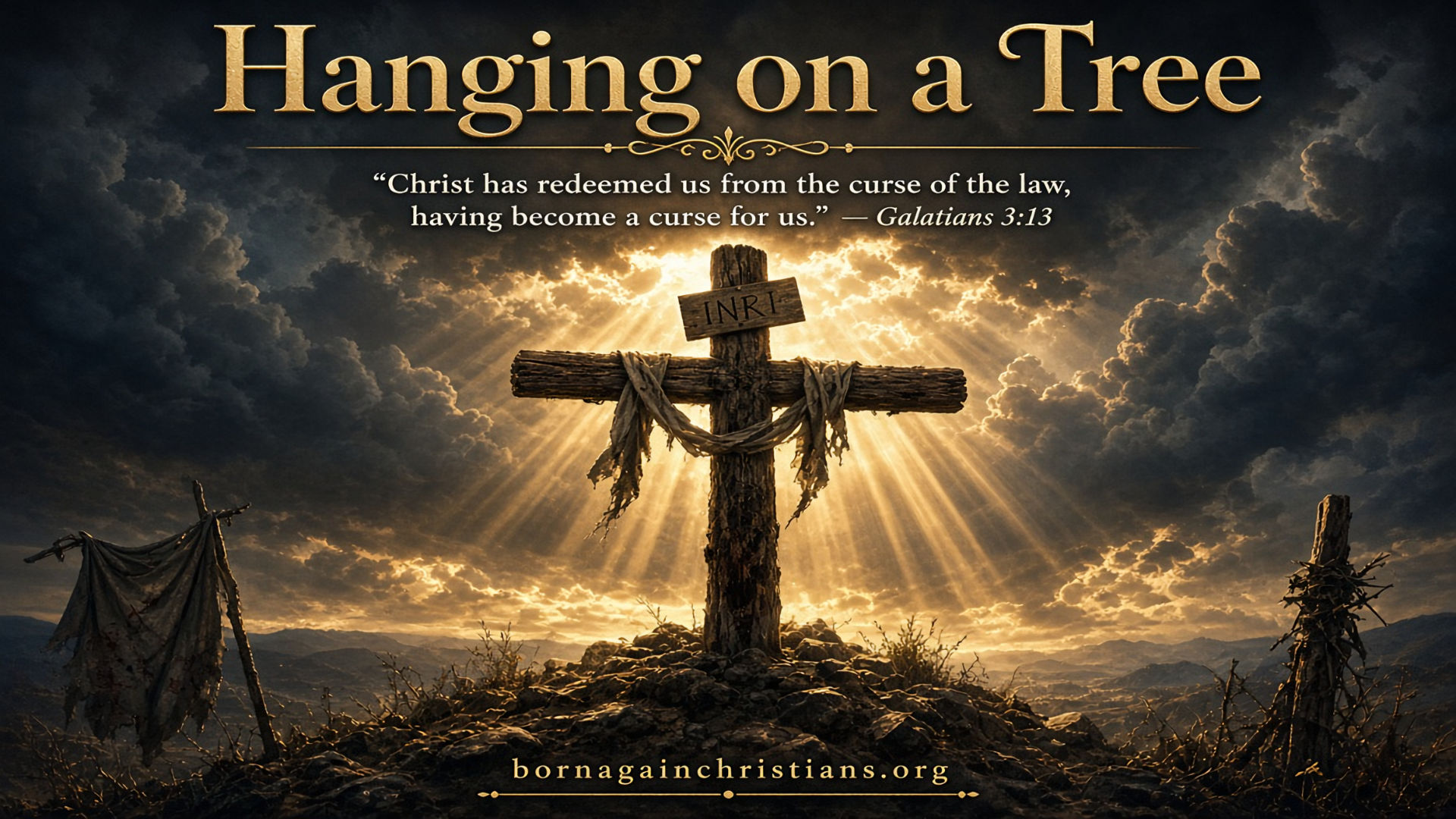
Folks, just the other day I was reading Acts 5:30. The verse says the leaders murdered Jesus “by hanging on a tree.” I thought that Jesus died on a cross. And noticed something else that is true: Luke, who wrote both the Gospel and the book of Acts, only uses the word “tree” in Acts. He does not use it that way in the Gospel. That is not a problem. It is a beautiful little window into how the early church preached.
- Details
Read more: Hanging on a Tree - A Word Study of Xylon in Acts 5:30
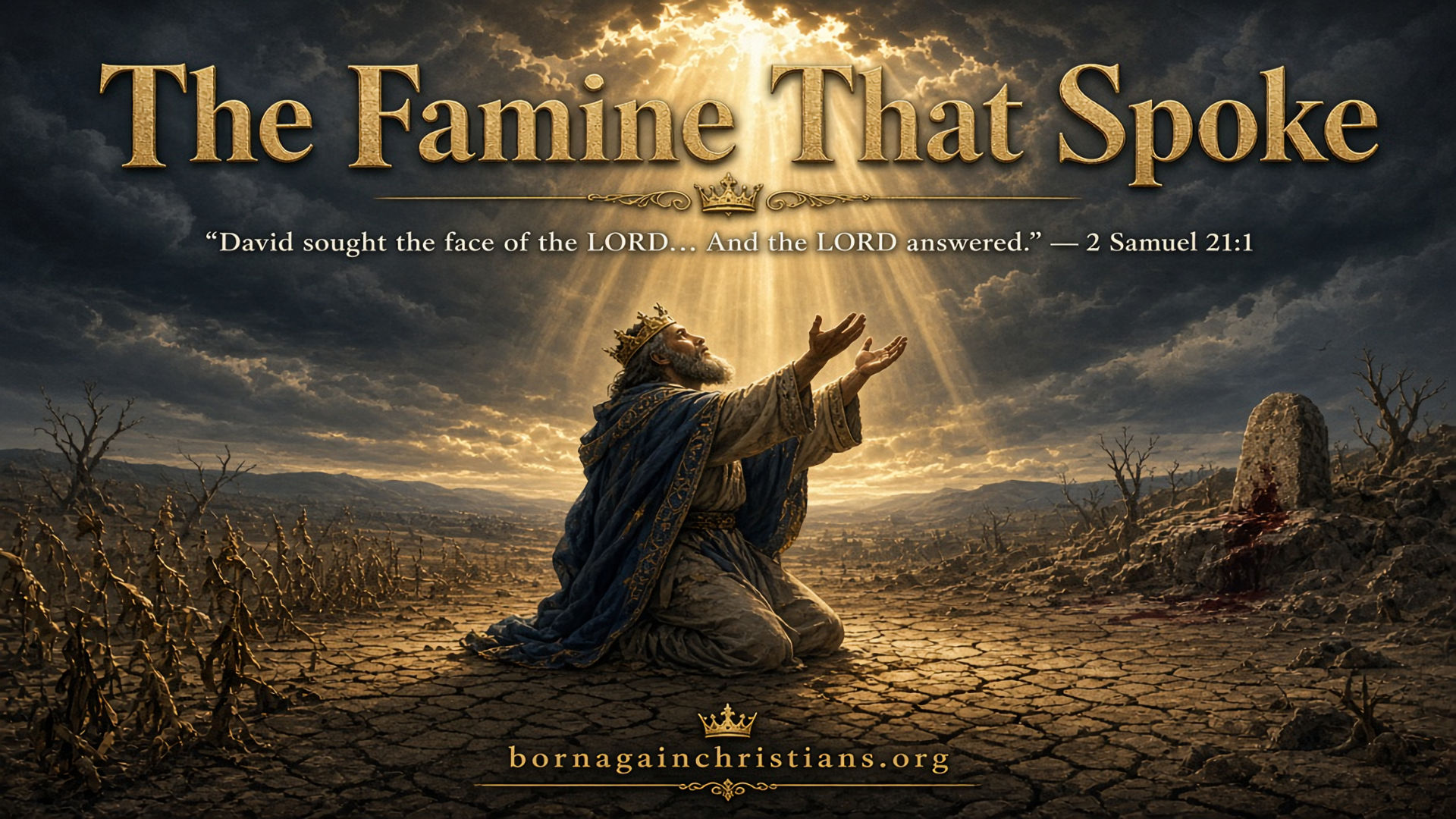
Well, let’s look at this passage in 2 Samuel 21. There was a famine in the days of David for three years, year after year. The land itself was hungry. The Hebrew word for famine is ra’ab. It’s the same word used when people are desperate for food. Year after year the crops failed, and the people felt it. After the third year, David did something wise. The text says he inquired of the Lord. In Hebrew it is stronger than a quick question: way-baqqesh David et-pene Yahweh — David sought the face of the LORD. He was not just asking for information. He was seeking God’s presence, His favour, His mind on the matter.
- Details
Read more: The Famine That Spoke - When God Remembers a Covenant
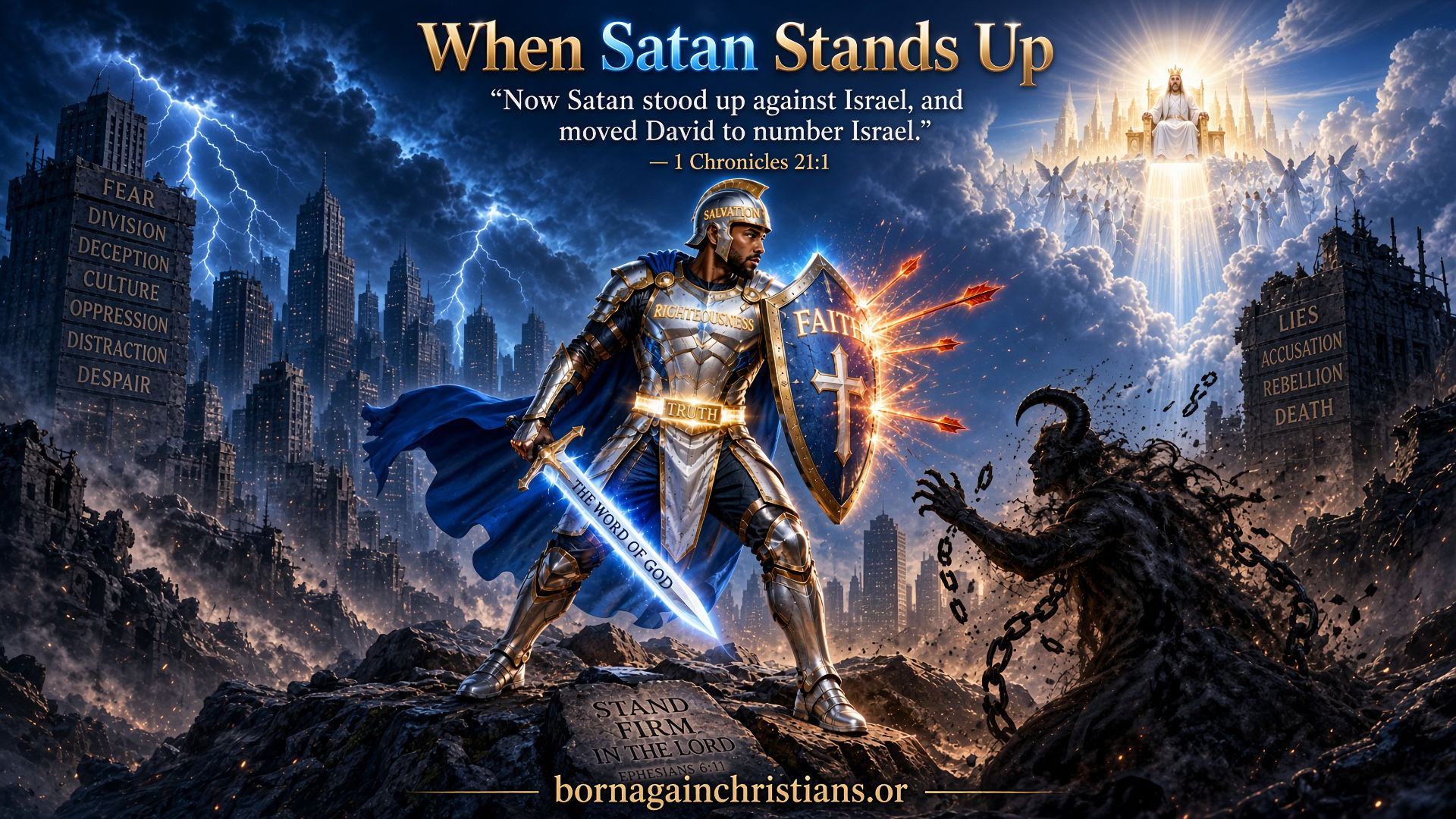
Well, folks, we are living in days when it can feel as if the adversary has been given a wider field of operation. Antisemitism has risen sharply across the UK and Europe. Radical Islamist ideology continues to produce violence, parallel communities, and open hostility to the God of Israel and to the freedoms that grew out of a Christian heritage. Looking at the news, a Christian can easily say, “It seems Satan is off the leash.”
That feeling is not entirely wrong, but it is incomplete. Scripture gives us a clearer picture.
Satan Stood Up Against Israel
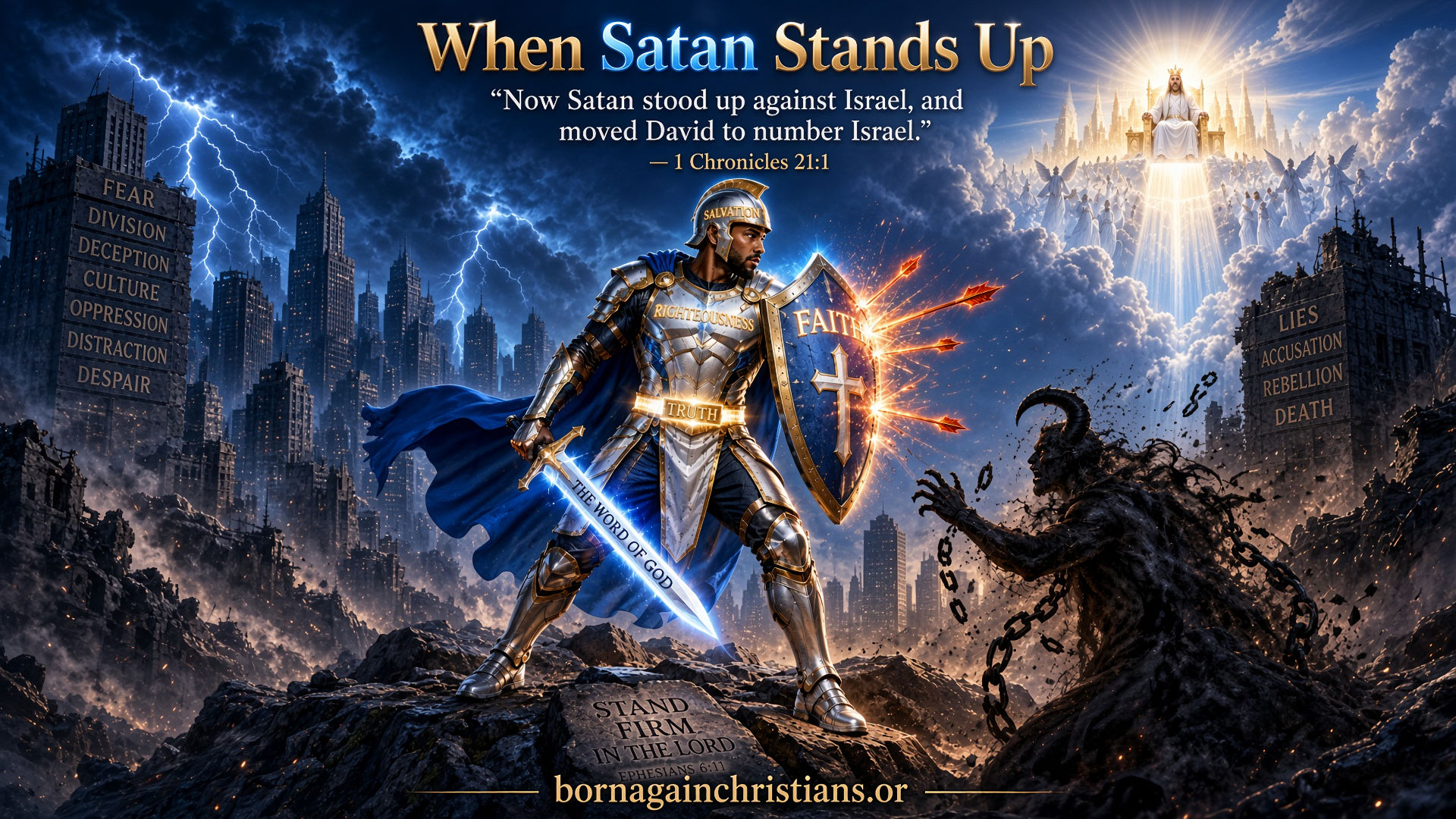
1 Chronicles 21:1 says, “Now Satan stood up against Israel, and moved David to number Israel.” The parallel account in 2 Samuel 24:1 tells us that the anger of the Lord was kindled against Israel, and He moved David to number the people. Both statements are true. Satan actively opposed God’s people and tempted David. At the same time, God remained sovereign. He permitted the temptation and held David accountable for the choice he made.
David’s sin was pride and unbelief. Instead of trusting the Lord for the strength of the nation, he counted the fighting men. The result was judgment—a plague that took seventy thousand lives. Yet when David repented and built an altar on the threshing floor of Ornan, God stopped the angel’s hand. Mercy answered repentance.
You see, this is the consistent pattern. Satan is real, he is the adversary, he stands against Israel and against the Church. We see today he works through pride, false religion, and the blinding of minds. But he is a created being where he operates only within the limits God sets. He is never equal with God, and he is never outside God’s ultimate control.
The Same Pattern Today
What we see in our own time fits the same biblical pattern. Hatred of the Jewish people has surged. Official figures from the Community Security Trust and the Home Office show antisemitic incidents remaining near record levels years after the October 7 attacks. Much of it is fuelled by anti-Israel agitation that regularly slides into older anti-Jewish lies. At the same time, Islamist terrorism remains the most lethal ideological threat across Europe. Large-scale migration has enlarged the communities in which radicalisation occurs. Not every Muslim is an extremist, but the ideology of political Islam and jihad is real, costly, and opposed to the God of Abraham, Isaac, and Jacob.
None of this catches God by surprise. When nations turn from the living God, He often allows the consequences of that rejection to unfold. Yet He remains faithful to His covenants with Israel and to His Church. The same God who stopped the plague when David humbled himself still rules over the nations and over the adversary.
Putting On the Whole Armour
I did this study at a mens meeting last night, so this is fresh with me to share and to know the battle is spiritual, Paul tells us exactly how to stand and stand firmly. Ephesians 6:10–20 is not a suggestion for difficult days; it is the practical equipment God has given His people.
“Finally, my brethren, be strong in the Lord and in the power of His might. Put on the whole armour of God, that you may be able to stand against the wiles of the devil.”
We are not told to be strong in ourselves. Our strength is in the Lord. Then Paul lists the pieces:
- The belt of truth holds everything in place. In a time of confusion and deliberate lies about Israel, about the gospel, and about what is happening around us, the truth of God’s Word keeps the rest of the armour from slipping.
- The breastplate of righteousness protects the heart. It is the righteousness of Christ that covers us. When accusations come—from the enemy or from the culture—we rest in what Jesus has already done.
- The shoes of the gospel of peace give us firm grippy footing. Peace with God means we can stand and move without slipping when the ground shifts.
- The shield of faith quenches the fiery darts. Doubts, fears, twisted reports, and hatred are extinguished by simple trust in the Lord.
- The helmet of salvation guards the mind. We know we belong to Him. Our hope is secure. That keeps us from panic when the headlines grow dark.
- The sword of the Spirit, which is the word of God, is the one offensive weapon. Jesus used it in the wilderness. We use it by knowing Scripture and speaking it.
Paul then adds prayer: “praying always with all prayer and supplication in the Spirit… for all the saints.” The armour is put on and kept on through prayer. Without prayer the pieces stay in the cupboard.
Someone once joked, “What do you call a soldier with just a helmet and a sword? A streaker.” The point is simple. Half-dressed soldiers do not stand. We need the whole armour.
How We Stand
This equips us for the days we are in. We do not wrestle against flesh and blood. We resist principalities, powers, and spiritual wickedness. The armour lets us remain clear-headed, truthful, and useful. We pray for the Jewish people, for protection, and for the gospel to go forth. We pray for Muslims to come to know the true Messiah. We speak the truth in love without fear. We refuse the lie that every warning about Islamism or open borders is itself hateful. And we remember that greater is He who is in us than he who is in the world.
Satan may appear to have freer rein for a season, we may have been thinking of the USA midterm elections last night but he does not.
Christ has already triumphed at the cross where one day every knee will bow. Until that day, we put on the whole armour, we stand in the strength of the Lord, and we keep our eyes on the One who is still on the throne.
- Details
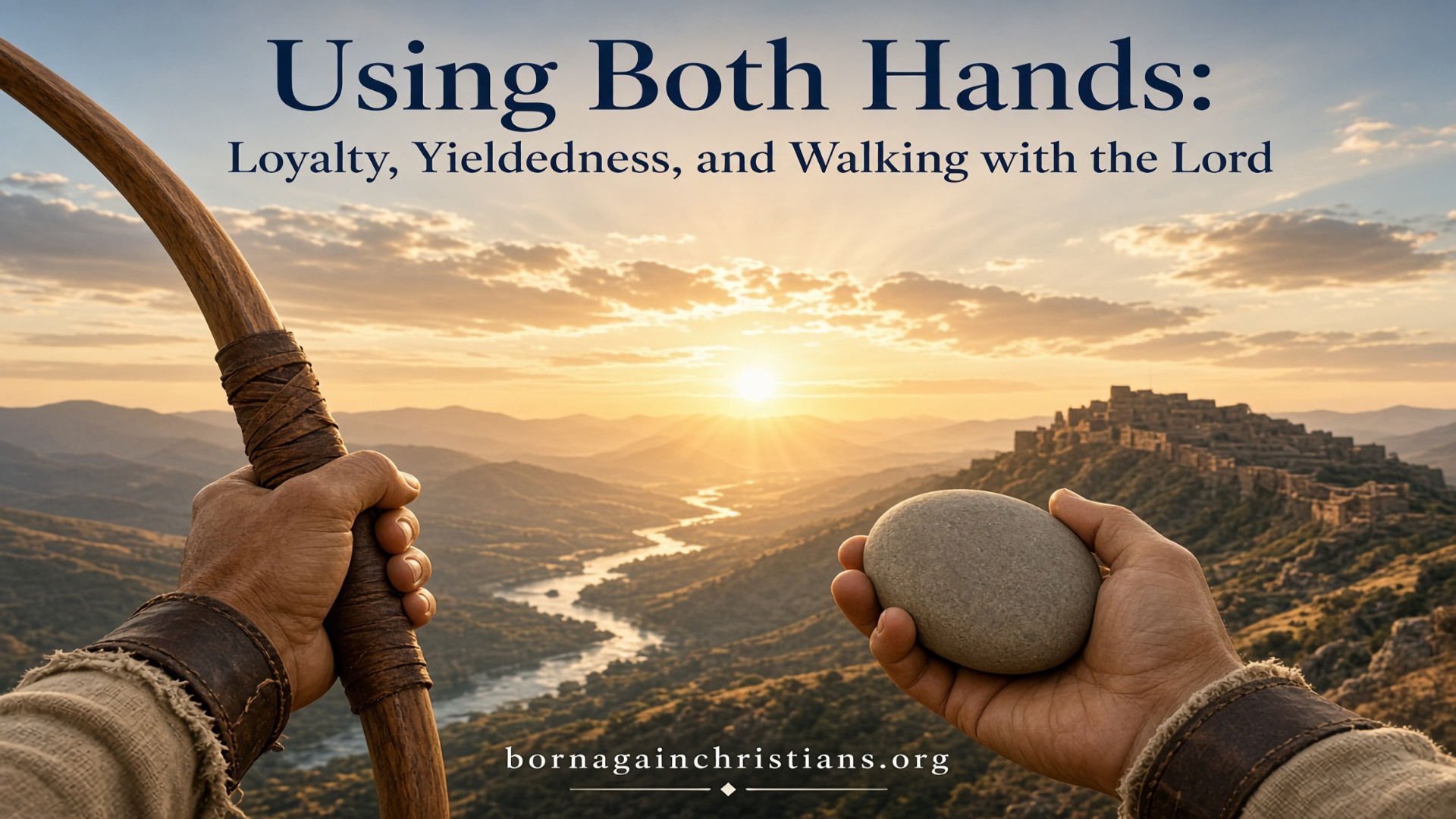
Friends, something you might not know about me: I have dyslexia and dyspraxia, and for years I worked as a painter and decorator. Up a ladder, I could paint to the left or the right of the cutters and fascia boards. Indoors I could handle a cornice with either hand. I write with my left hand and throw or hit with my right. In Scotland they call that kind of mixed skill “kippy-handed.” It is not the usual pattern, but it made me useful on the job. I could keep working without climbing down and switching sides every few minutes.
- Details
Read more: Using Both Hands - Loyalty, Yieldedness, and Walking with the Lord
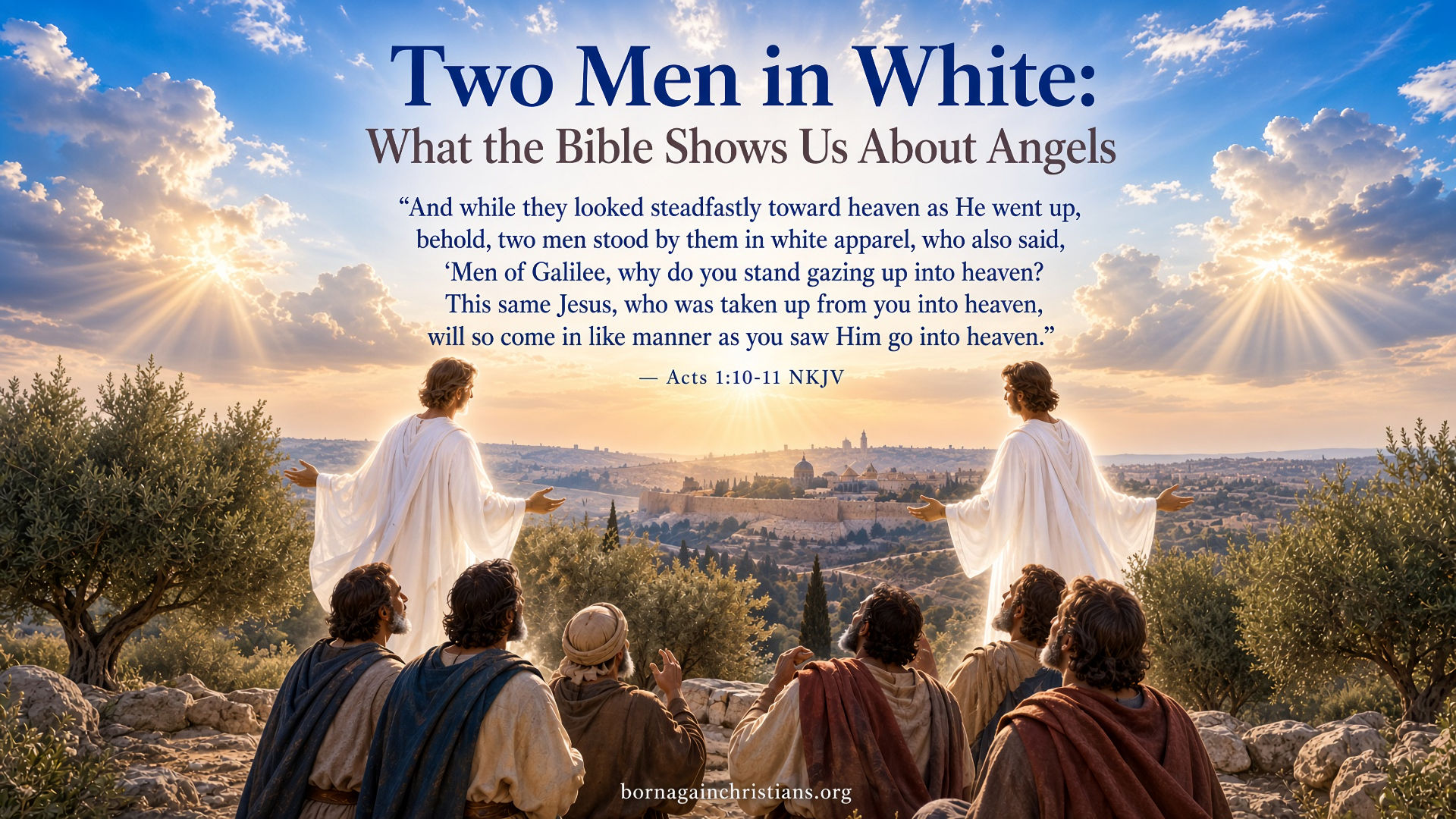
Folks, something grabbed me as I was reading through “The Acts of the Apostles” and want to share it with you. When the disciples stood on the Mount of Olives and watched Jesus go up into the cloud, the Scripture records a quiet but important moment. “And while they looked steadfastly toward heaven as He went up, behold, two men stood by them in white apparel, who also said, ‘Men of Galilee, why do you stand gazing up into heaven? This same Jesus, who was taken up from you into heaven, will so come in like manner as you saw Him go into heaven’” (Acts 1:10-11, NKJV).
- Details
Read more: Two Men in White - What the Bible Shows Us About Angels

God’s Promise, Our Inheritance, and the Coming Kingdom
Well, folks as we’ve been going through Deuteronomy, that phrase keeps coming up—“a land flowing with milk and honey.” I love this picture. It’s one of the most repeated descriptions God gives of the land He promised to His people. It’s simple, down-to-earth language so they could understand what kind of place the Lord was bringing them into. And it still speaks to us today.
- Details
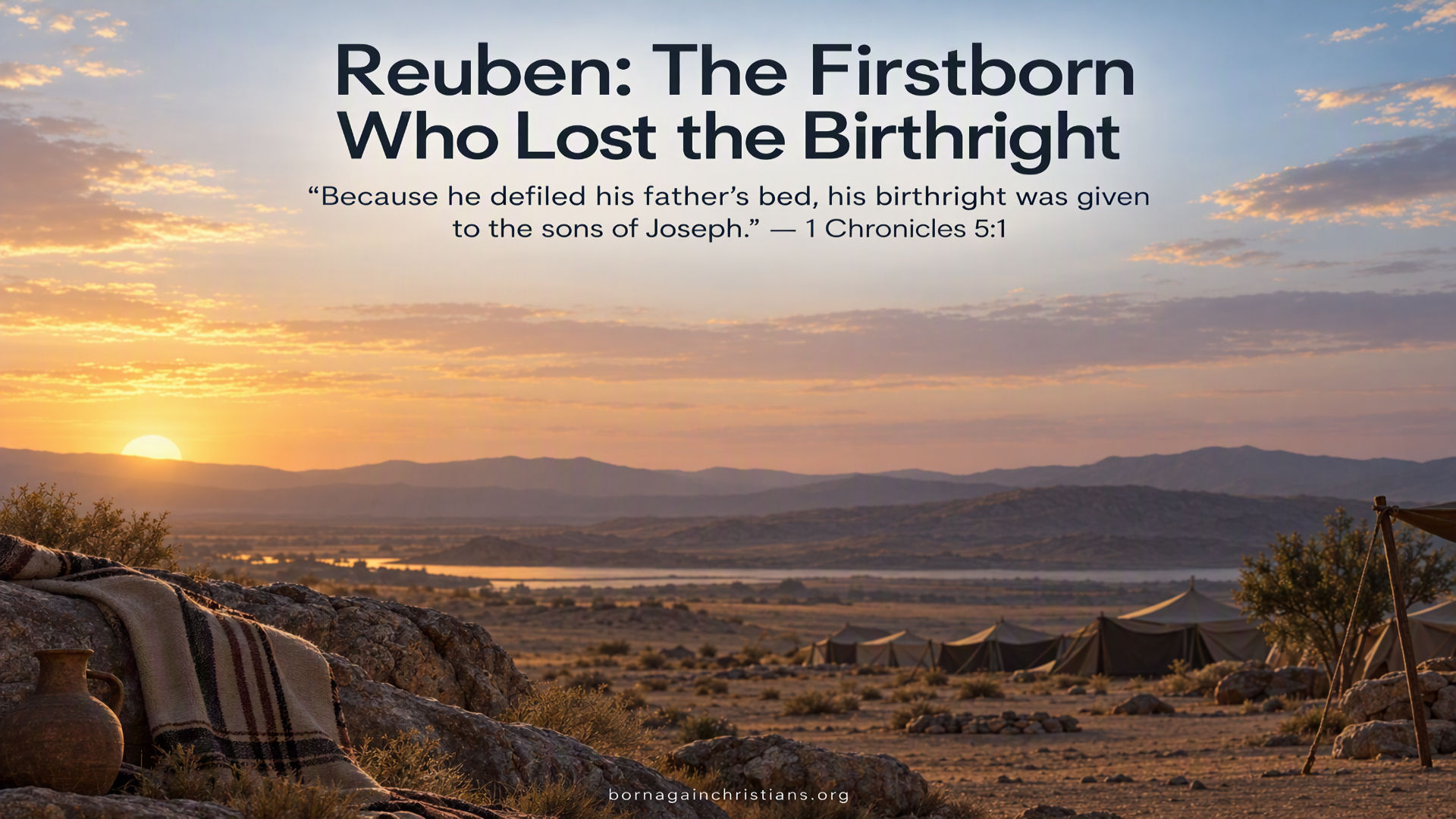
A Character Study from 1 Chronicles 5 and Genesis
Well, as we come to 1 Chronicles 5, the genealogies of Israel turn to the tribes that settled east of the Jordan River: Reuben, Gad, and the half-tribe of Manasseh. Before the lists of names begin, the chapter pauses to explain why Reuben, though he was the firstborn, did not keep the rights that normally belonged to him.
- Details
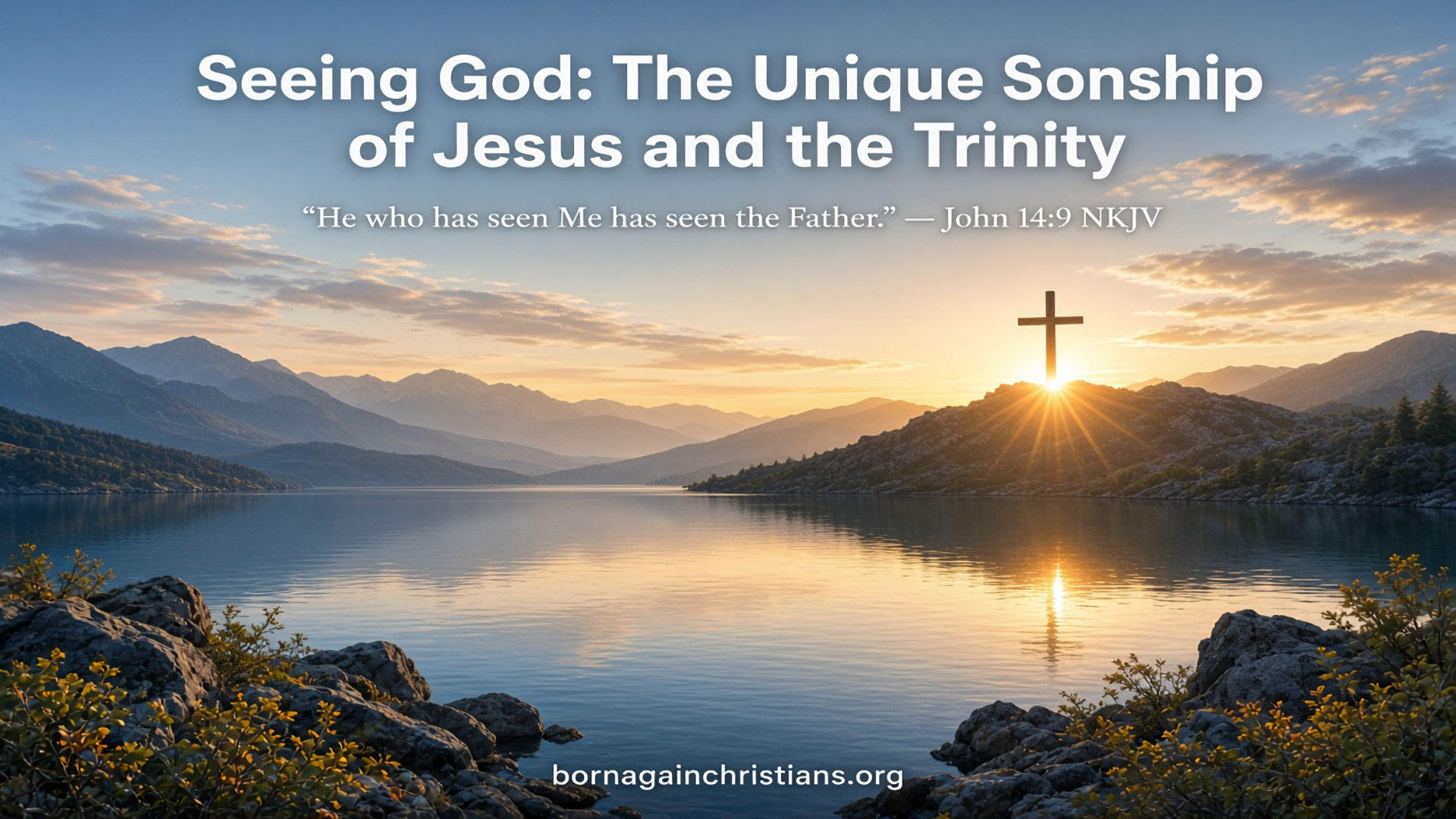
Have you ever wondered what God is really like? Many people say they believe in God, but when you ask them to describe Him, the picture gets fuzzy. The good news is that God has not left us guessing. He has revealed Himself fully in His Son, Jesus Christ. And when we look carefully at the Gospel of John, we see both the unique sonship of Jesus and the beautiful reality of the Trinity—Father, Son, and Holy Spirit—working together as one God.
- Details
Read more: Seeing God -The Unique Sonship of Jesus and the Trinity
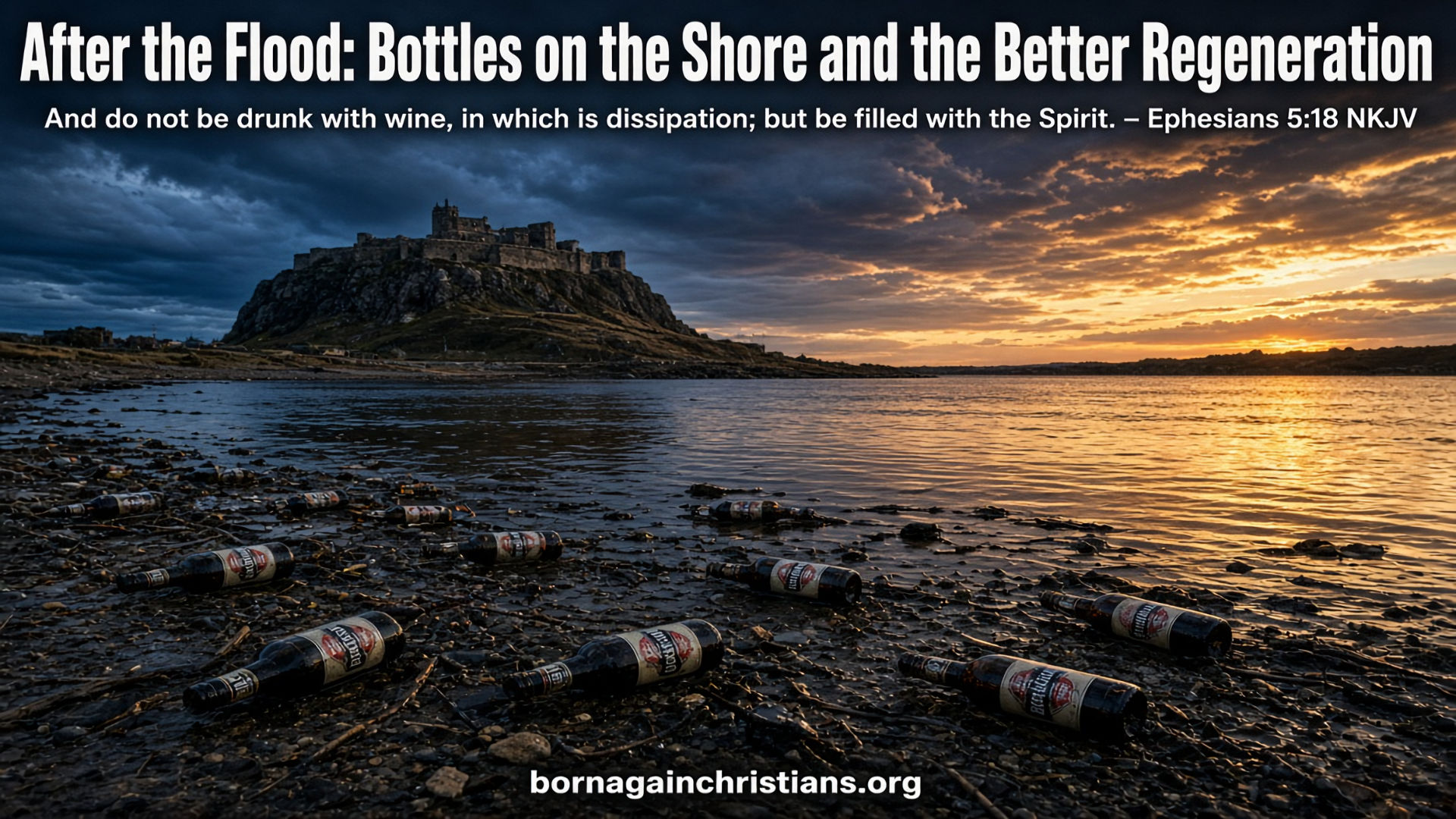
Folks, after Storm Boelo the River Leven carried a lot of debris onto the shores around Dumbarton. Among all that wreckage were a striking number of empty Buckfast bottles. A friend who ran along the water noticed them and asked, almost in disbelief, how many bottles a river can wash up if they start further upstream or come in on the tide. The sight is hard to miss. Levengrove Park, the streets of Dumbarton, Renton and Balloch all tell the same story: people drinking in the open, bottles thrown into the water, lives being worn down by something cheap and hard-hitting.
- Details
Read more: After the Flood - Bottles on the Shore and the Better Regeneration
Well, folks, it’s good to be with you on this Reformation Day. You know, every October 31 we remember when Martin Luther nailed those theses to the door in Wittenberg back in 1517. There was some real good that came out of that time. The Lord used ordinary men to stand up against the sale of indulgences and to insist that the Scriptures belong in the hands of ordinary people. Before then, most believers couldn’t even read the Word for themselves. Now we can open it up, study it verse by verse, and become Bible Strong. That’s what we want—>not system-strong, not tradition-strong, but Bible Strong.
- Details
Read more: Reformation Day - Grateful for the Bible, But Let’s Go Back to the Word
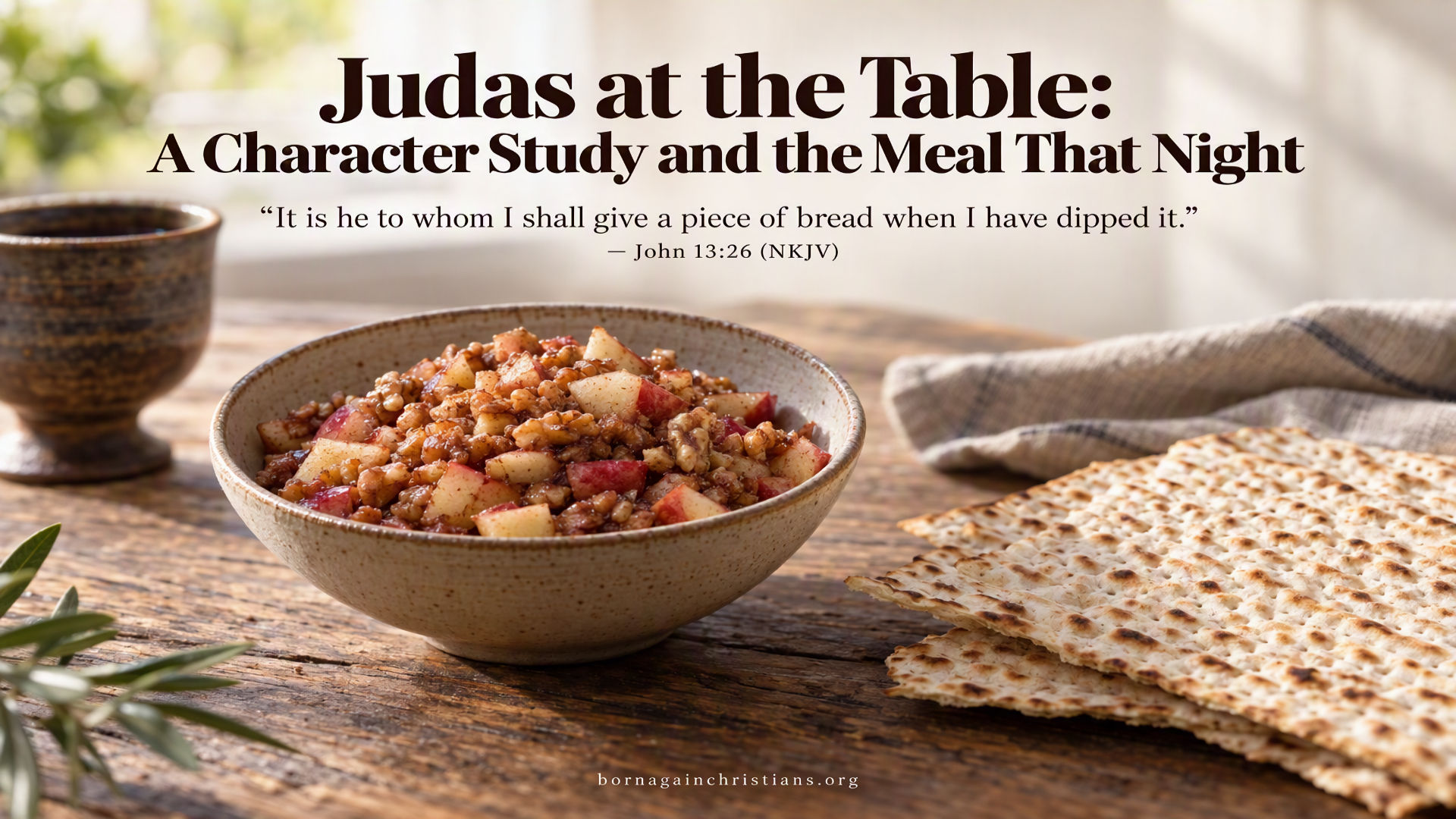
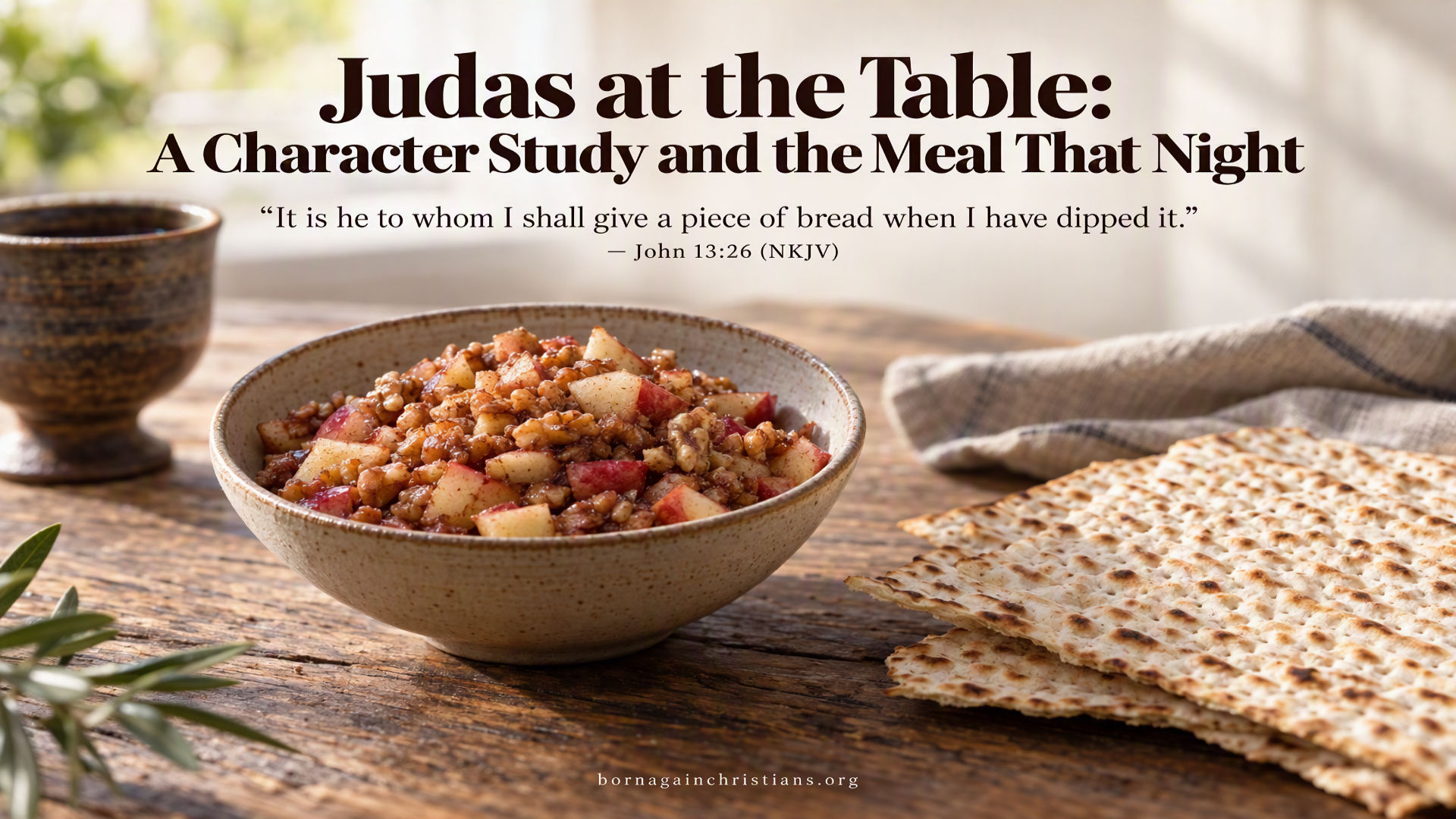
Folks, good morning from a dry, overcast Scotland and let’s sit down together and look at the man called Judas Iscariot, and at the ordinary meal that became the most solemn table in history.
- Details
Read more: Judas at the Table: A Character Study and the Meal That Night
More Articles …
Page 1 of 25