

Bible Strong Search
Bible Strong Search
Video Teachings
Pastor's Pen

Building a Lasting Legacy...
When we think about leaving a legacy, most people picture something the world can measure—money in the bank, a name people re...

Held by the Hand Through ...
I was walking home from the store the other night with my son. It was one of those real Scottish storms—rain coming sideways,...

When the Mind Breaks - Ho...
There are some stories that just stop you when you hear them. The death of three little children at the hands of their own mo...

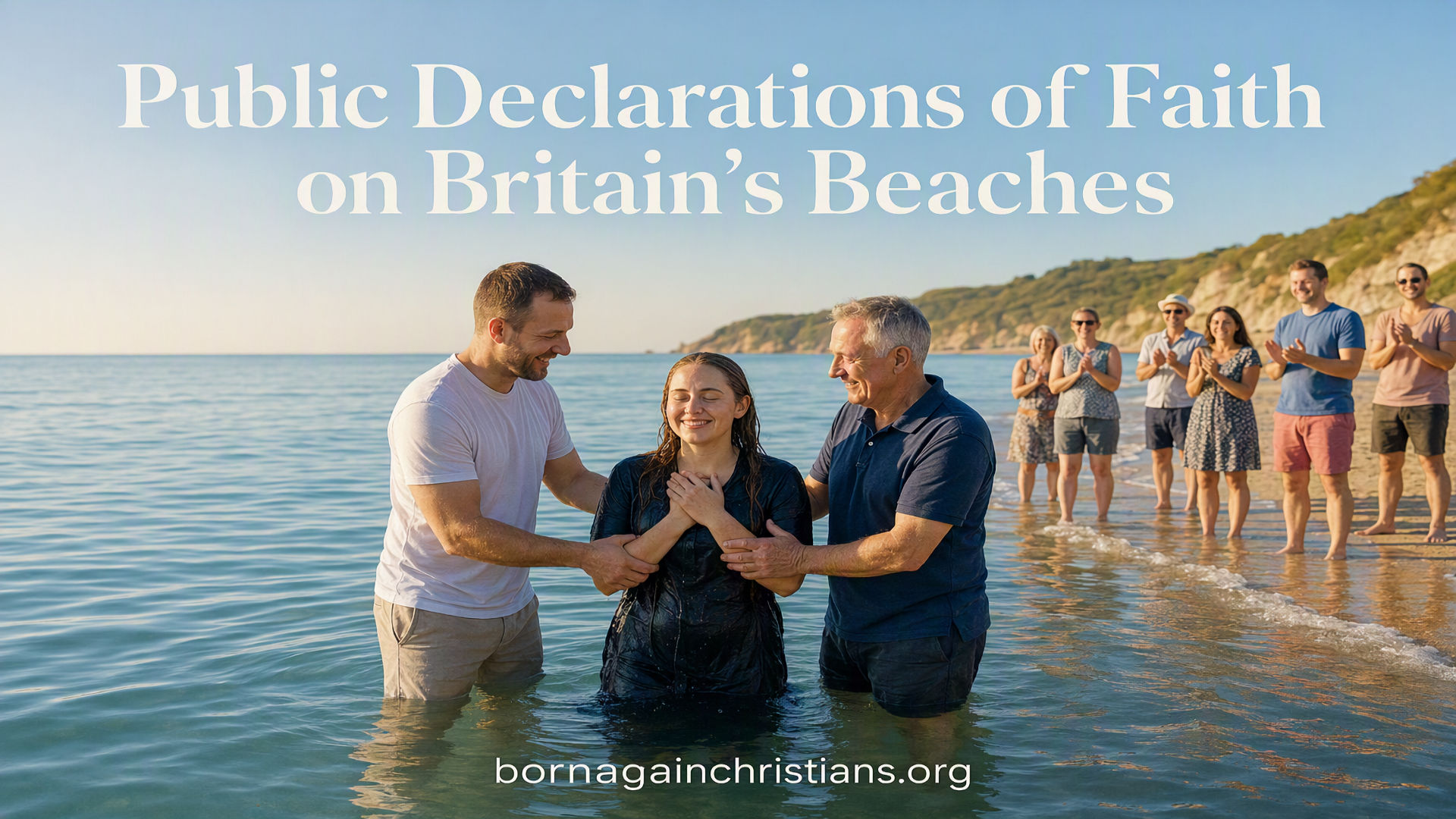
What the Lord Is Doing on...
I have to admit I was a bit out of the loop with all that has been happening on the beaches of Britain these past few months....

Finding the Will of God
Friends, one of the questons I hear most ofen is, “How can I know Gods will for my life?” It is a good queston. It shows a he...

Israel, the War, and the ...
Folks, let’s talk about a burden I have for a moment about Israel and this war. Many of you have been watching and praying. O...

Three Years On: They Are ...
Remembering October 7, and why the church must still stand with Israel
Well, folks, three years have passed since that dark ...

You Cannot Book Revival
Folks, I want to talk with you plainly tonight about something that is stirring a lot of hearts in Scotland and across the bo...

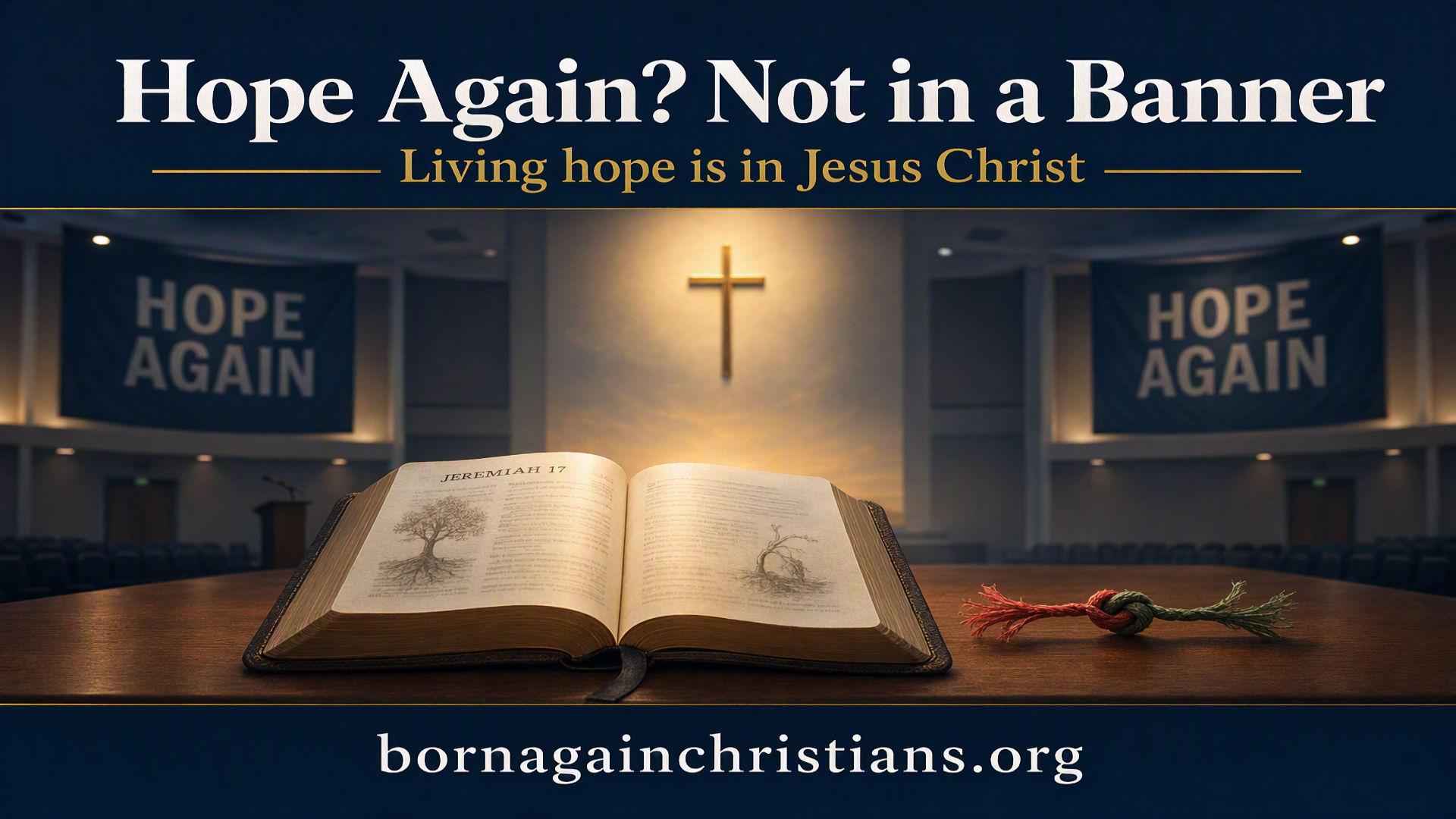
Hope Again? Not in a Bann...
I want to speak with you openly, just as I would if we were sitting down over a coffee. As you read this, I hope you’ll remem...

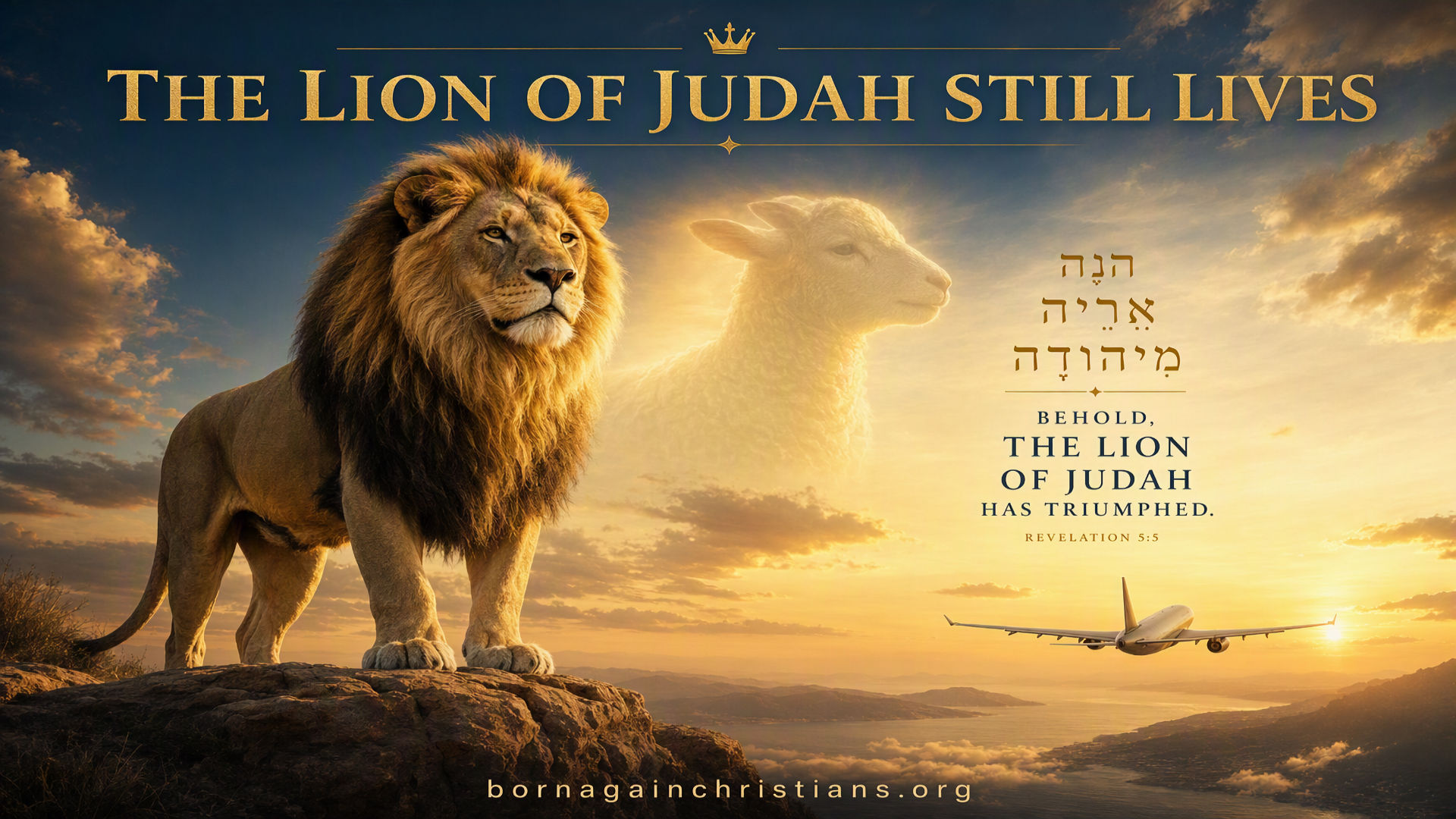
The Lion of Judah Still L...
A word after the Flydubai flight that almost fell
Now my friends, let me tell you what happened this morning. Flydubai fligh...

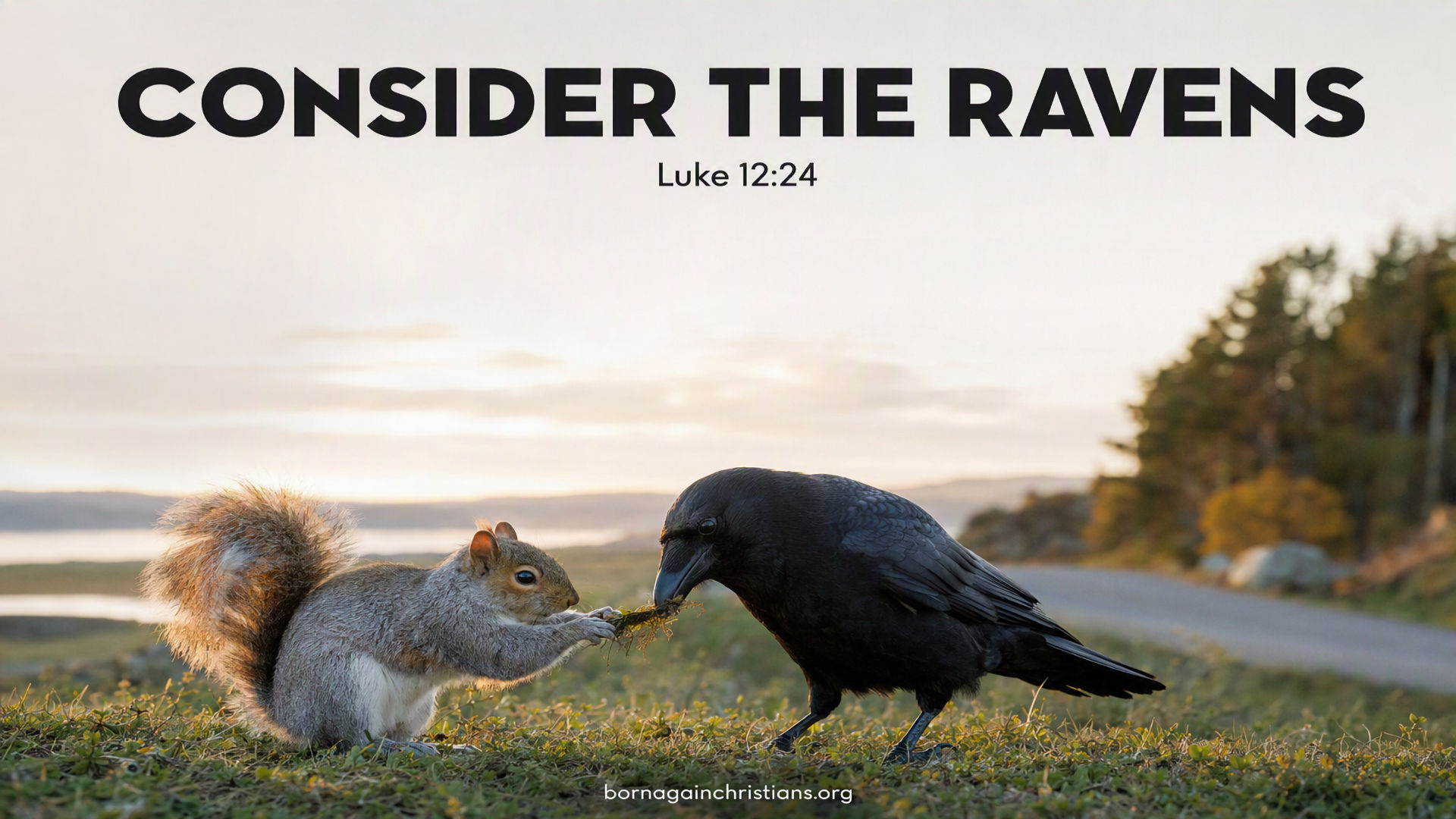
Consider the Ravens
Luke 12:24 · A story for older children and teens
I want you to look with me at something Jesus said. It is found in Lu...

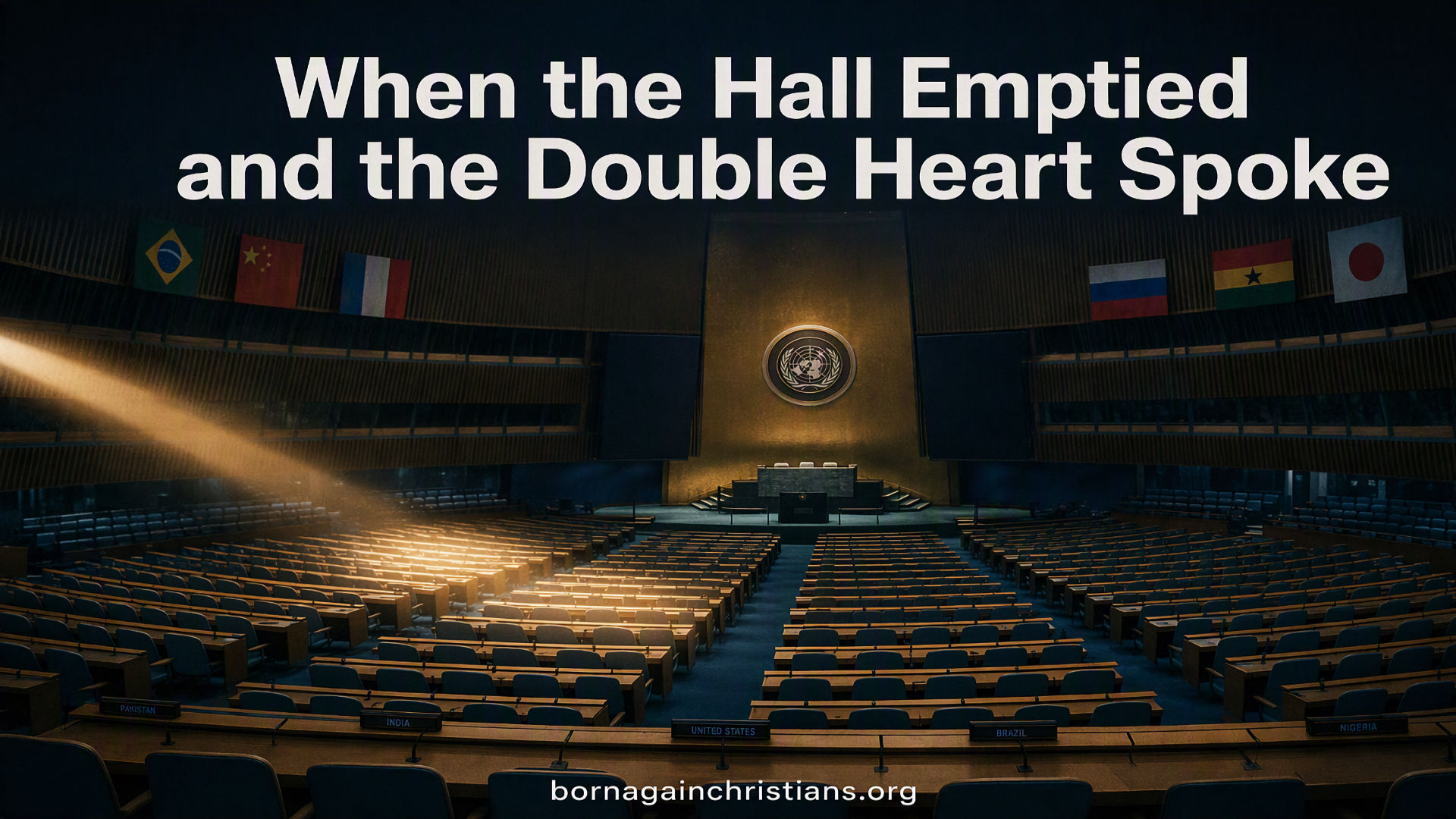
When the Hall Emptied and...
Netanyahu at the UN, empty chairs, and the God who still keeps covenant
Hi folks, I want us to open the Word and share some ...
More In Blog Supporting Israel
Video News
Bible Strong Articles

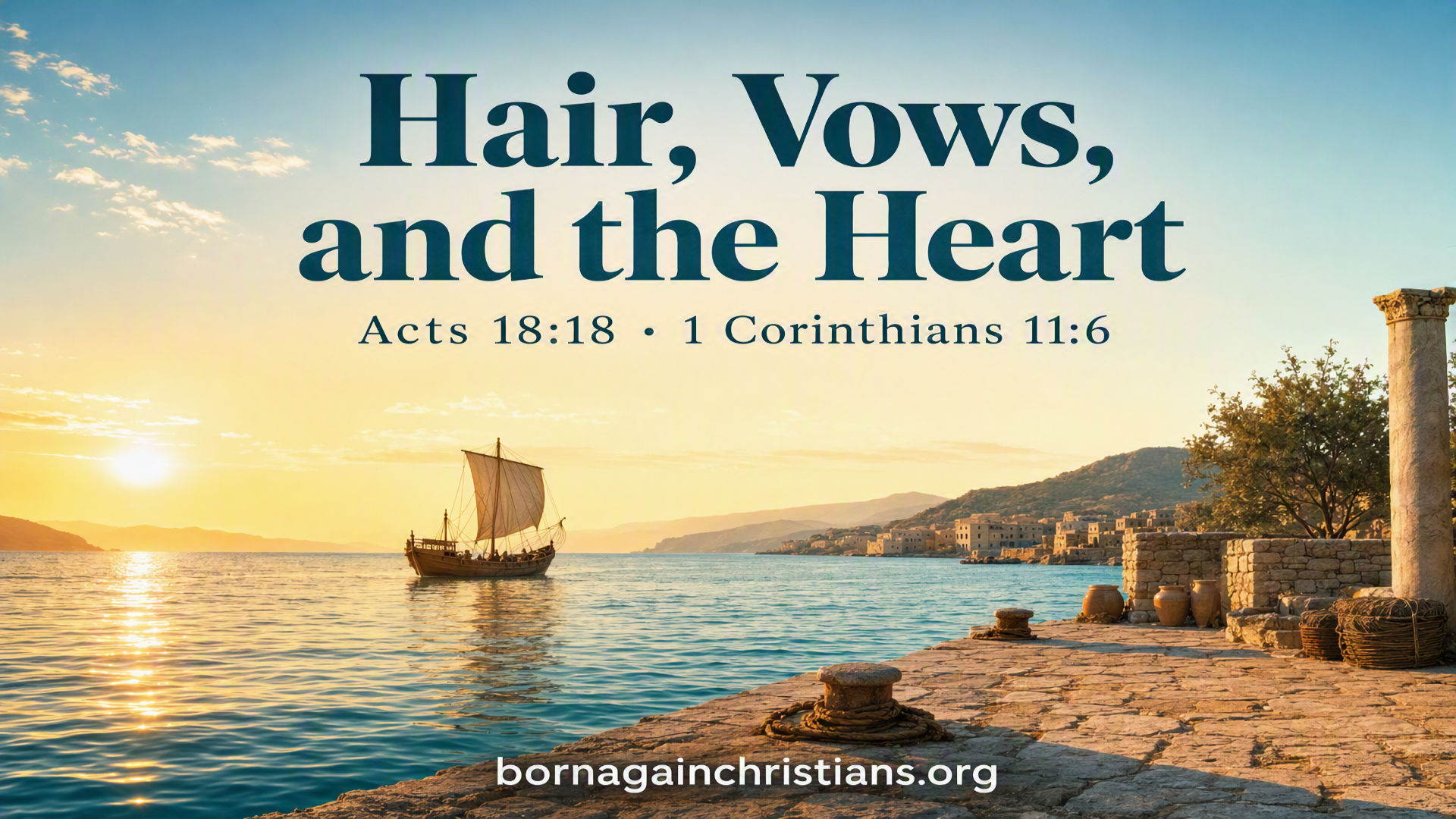
Hair, Vows, and the Heart
Hair, Vows, and the Heart
Paul at Cenchrea and the women in CorinthActs 18:18 and 1 Corinthians 11:6 (NKJV)
Now look at thi...

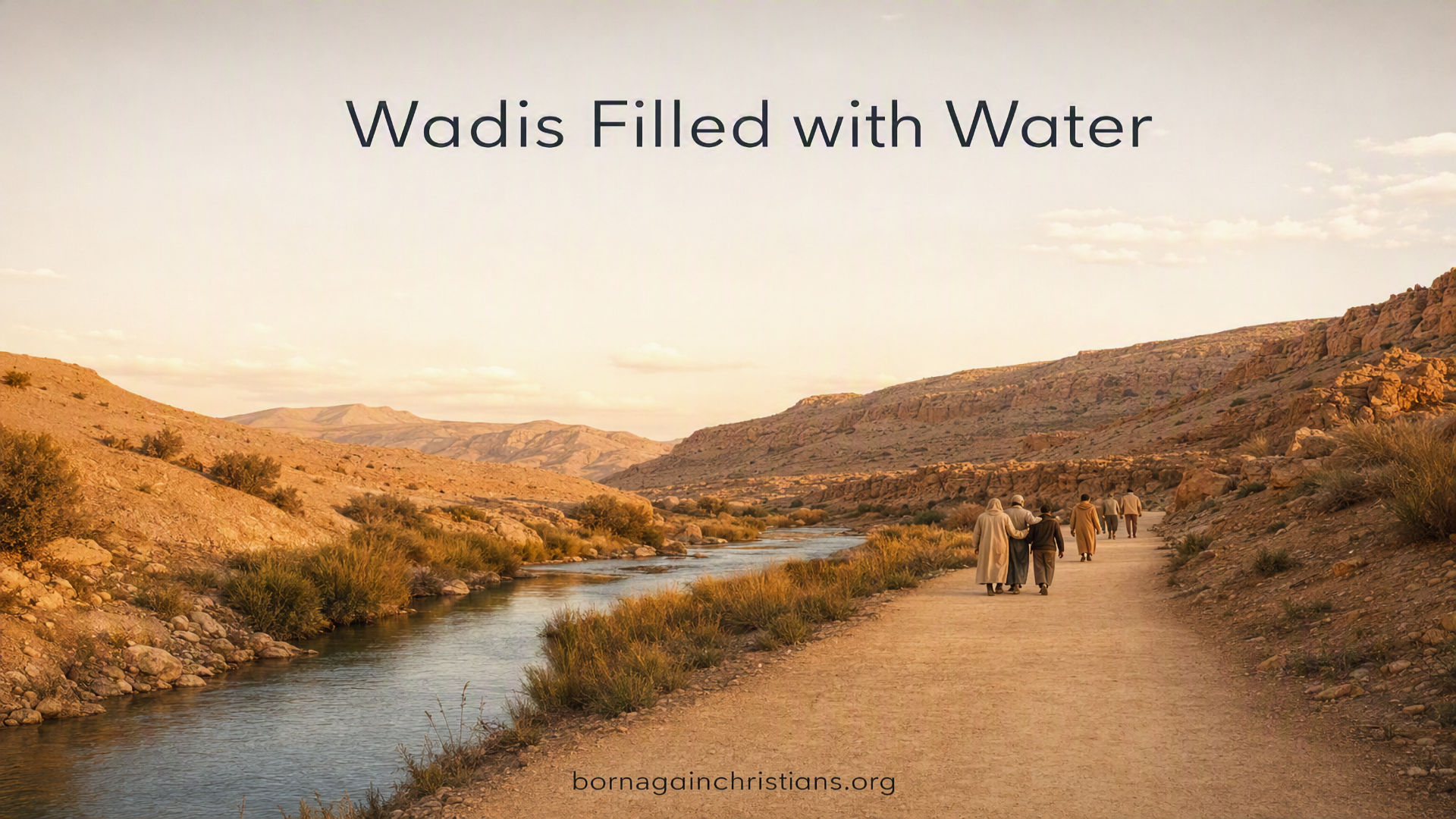
Wadis Filled with Water
A simple look at Jeremiah 31:9
Now look at Jeremiah 31:9. I was reading it in the CSB and I came across a word that is not i...

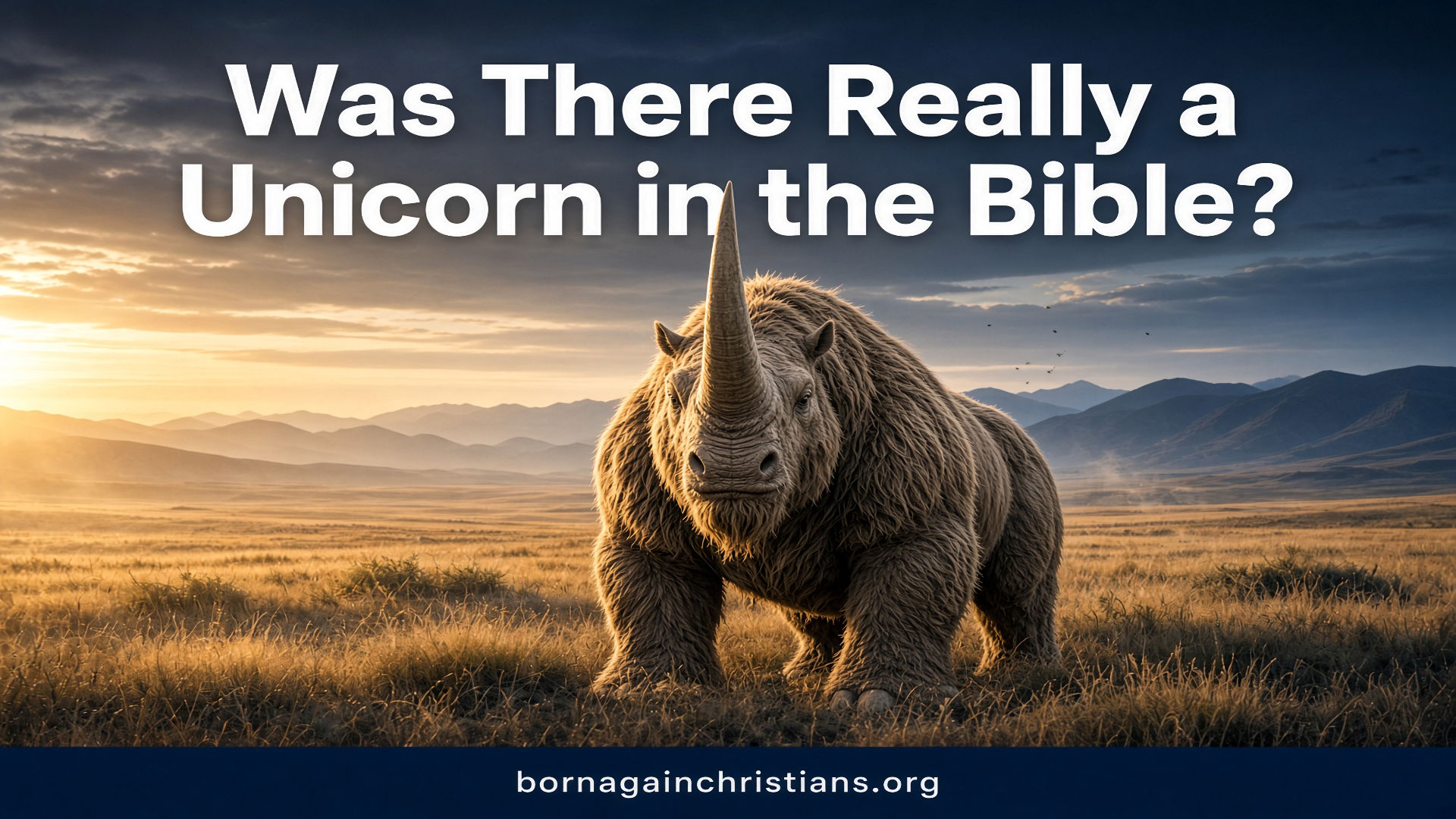
Was There Really a Unicor...
A simple look at Job 39, the Hebrew word re’em, and the so-called Siberian unicorn.
For readers who want to be Bible Strong....

All about the Bible
Did you know that the Bible is a very exciting book? In the Old Testament, you will read about narrow escapes from an enemies...

Prophecies of the Messiah...
There are literally thousands of prophecies in the Old Testament that are fulfilled by the coming of Jesus Christ in the New ...

OK, Jesus Christ saved me...
Praise the Lord that you have been written in the Lamb's Book of Life! As a brand new Christian, you have just received the g...

A Small Study and Overvie...
Hey there! This little study on salvation is here to guide you through the Bible, verse by verse, to see why being saved is s...



Jesus is Alpha and Omega
What does it mean when Born Again Christians say that Jesus is the Alpha and Omega?

Study on the two church o...
This is a basic study and overview on the Lord's Supper and Baptism, to give you a start in your Bible study.
There are two ...

Study on God the Son
This is a basic study and overview to get you started in opening your Bible and to help you know more about the Son of God, J...

Study on The Inspired Bib...
This is a basic study or overview to help you know about our Bible, in that God ordained men to write the books of the Bible ...
More In Articles
Video Search
Born Again — Bible strong

Born Again Christians is dedicated to sharing the Gospel of Jesus Christ and building up believers through clear, faithful teaching of the Word of God.
My name is Peter, and I write from Helensburgh, Scotland. I was trained to preach through the Proclamation Trust with Cornhill Scotland. Our heart is to promote fellowship in both the Word and the Spirit, engaging with Scripture through expository teaching while relying on the Holy Spirit.
Our goal is twofold: to reach a lost world with the glorious Gospel of Jesus Christ, and to edify and grow the Body of Christ. We long to help people become Bible Strong — rooted in Scripture and secure in Christ.